
- Home
- /
- Industries
- /
- Data Centers
Data Center Solutions
Water treatment solutions built for the demands of modern data centers
Whether your facility relies on cooling towers and chilled-water plants or the warm-water, direct-to-chip loops now used in AI-optimized racks, water quality directly affects uptime, energy efficiency, and regulatory compliance.
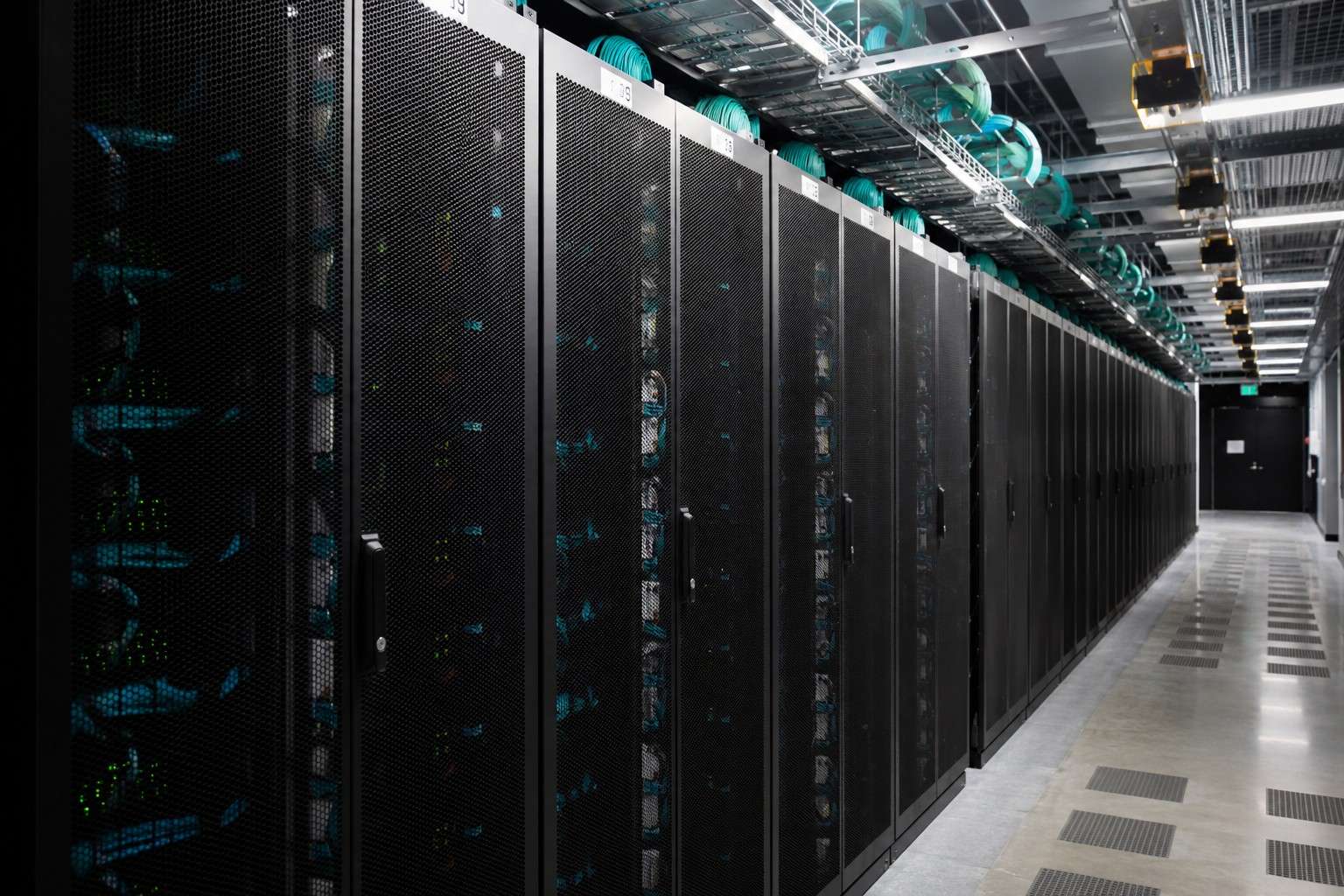
As data centers scale to support AI workloads, the systems responsible for heat rejection are running hotter, tighter, and with less tolerance for fouling, scaling, or microbial growth than ever before. LiquiTech’s minimally corrosive, multi-patented water treatment platform combines hardware, software and expert services to help you protect traditional and next-generation cooling infrastructure and water-related risk in real-time, across the facility lifecycle.
3 Data Center Water Treatment Challenges
The water challenges facing AI and enterprise data centers
Biological growth and compliance risk
Cooling towers and stagnant loop segments are known breeding grounds for biofilm, Legionella and other waterborne pathogens. Biofilm reduces heat-transfer efficiency and accelerates fouling in exchangers and cooling coils, compounding energy costs over time even as it increases health and regulatory risks.
Monitoring gaps and delayed detection
Many facilities still depend on periodic manual water sampling rather than continuous, real-time water-quality telemetry. That gap can delay detection of chemistry drift, scale formation, or microbial excursions until they have already affected equipment performance or compliance status.
Complex chemistry in closed and warm-water loops
AI-driven liquid cooling introduces new chemistry variables, including glycol-based fluids, dissolved-oxygen control, and closed-loop-specific treatment requirements. Warm-water, high-density cooling architectures raise operating temperatures and heat-recovery integration further increases the importance of consistent water quality across interconnected thermal loops.
LIQUITECH SYSTEM APPROACH
Water treatment for the specific goals of your data center
LiquiTech takes a facility-wide, multi-barrier approach to water treatment rather than relying on a single point of control. This layered strategy is designed to address microbial risk, scale and corrosion control, monitoring and analysis – all at the same time, and across both condenser/cooling-tower water and the closed-loop/warm-water circuits associated with high-density, AI-optimized cooling.
Treatment is tailored to your facility’s specific cooling architecture, whether that is a conventional chilled-water plant, a hybrid air/liquid-cooled environment, or a purpose-built AI data hall using direct-to-chip or immersion cooling.
Multi-Barrier Protection
How our multi-barrier solution integrates into data centers
Our approach allows complete integration of multi-barrier water treatment into your facility. By working with your team, we optimize system placement, minimize installation costs, and ensure your data center runs efficiently with comprehensive water safety place.
Sediment and Point-of-Use Filtration
Removes 97% of suspended particulate matter at the point of entry, reducing the risks of fouling, scale nucleation, and poor heat-transfer efficiency in exchangers and cooling coils.
Copper-Silver Ionization
Provides fast, long-lasting disinfection of condenser and cooling-tower control biofilm and waterborne pathogens like Legionella, without the handling and storage of toxic chemicals that break down into known carcinogens.
UV Disinfection
Chemical-free kill of 99.9999% of bacteria associated with waterborne pathogens at the point where municipal water enters the building, strengthening disinfection and biofilm prevention.
Smart Sensors and Water Intelligence Platform
Get earlier visibility into chemistry drift, microbial risk, and system performance trends. Replace periodic manual sampling with non-invasive, location-specific sensors feeding real-time water quality data to a dedicated software platform for dashboarding and analysis.
Designed for high-density liquid cooling
Addresses the specific compatibility requirements of glycol-based fluids, dissolved-oxygen control, and closed-loop treatment programs used in direct-to-chip and other high-density liquid-cooling architectures.
Ongoing monitoring and maintenance
Comprehensive ongoing monitoring and maintenance services for data centers, ensuring optimal performance and reliability. Our proactive approach helps identify and address potential issues before they impact operations.
Common Questions
Frequently asked questions about our water treatment products
Facilities across healthcare, hospitality education, and commercial sectors trust LiquiTech to eliminate Legionella and waterborne pathogens. Here’s how we deliver sustained results where other treatments fail.
Yes. Cooling towers are specifically identified by public health authorities, including the CDC and state health departments such as New York's, as a common source of Legionella exposure, and are frequently subject to water management plan requirements and inspection programs.
AI-optimized data centers increasingly use direct-to-chip or immersion cooling with closed-loop and, in some designs, warm-water (up to roughly 45°C) circuits. These systems introduce chemistry considerations, such as glycol compatibility and dissolved-oxygen control, that differ from the open, evaporative cooling-tower chemistry used in traditional facilities.
Glycol-based closed-loop fluids require treatment approaches focused on corrosion inhibition, biological control suited to closed systems, and dissolved-oxygen management, rather than the residual-disinfection strategies used in open cooling towers. Treatment programs should be evaluated for compatibility with the specific fluid chemistry in use.
Continuous, sensor-based monitoring can detect chemistry drift, scale formation, or microbial growth trends well before they affect equipment performance, replacing the delayed visibility that comes with periodic manual sampling.
- NVIDIA, “Hotter Than a Hot Tub: The 45°C Breakthrough to Cool AI’s Biggest Machines” — blogs.nvidia.com/blog/liquid-cooling-ai-factories/
- Uptime Institute, “Annual Outage Analysis 2025” — uptimeinstitute.com/resources/research-and-reports/annual-outage-analysis-2025
- ASHRAE, “Guidance for Water System Risk Management” — ashrae.org/technical-resources/standards-and-guidelines/guidance-for-water-system-risk-management
- New York State Department of Health, “Protection Against Legionella: Cooling Tower Requirements” — health.ny.gov/environmental/water/drinking/legionella/cooling_towers.htm
- CDC, “About Legionnaires’ Disease” — cdc.gov/legionella/about/index.html
- HOH Water Technology, “The Costs of a Legionella Claim Against Your Facility” — hohwatertechnology.com/blog/costs-legionella-claim-against-facility/
- Pritzker Law, “Legionnaires’ Disease FAQ” — pritzkerlaw.com/legionnaires-disease/legionnaires-disease-faq/
- Dober, Performance Fluids Resources — dober.com/performance-fluids/resources
Data Center Resources
Related content for data center professionals


5 Questions to Ask Before Choosing a Water Treatment Vendor
Data centers create some of the highest risk conditions for biofilm and sediment settling, from evaporative cooling towers and closed loops to low-occupancy domestic water lines that sit stagnant for weeks at a time. This guide walks you through the five questions that will help you cut through vendor generalities, understand the real risks of chemical-based treatment, and set the right performance standards for a facility that can never go offline.