How western natural disasters create long-term water system risk
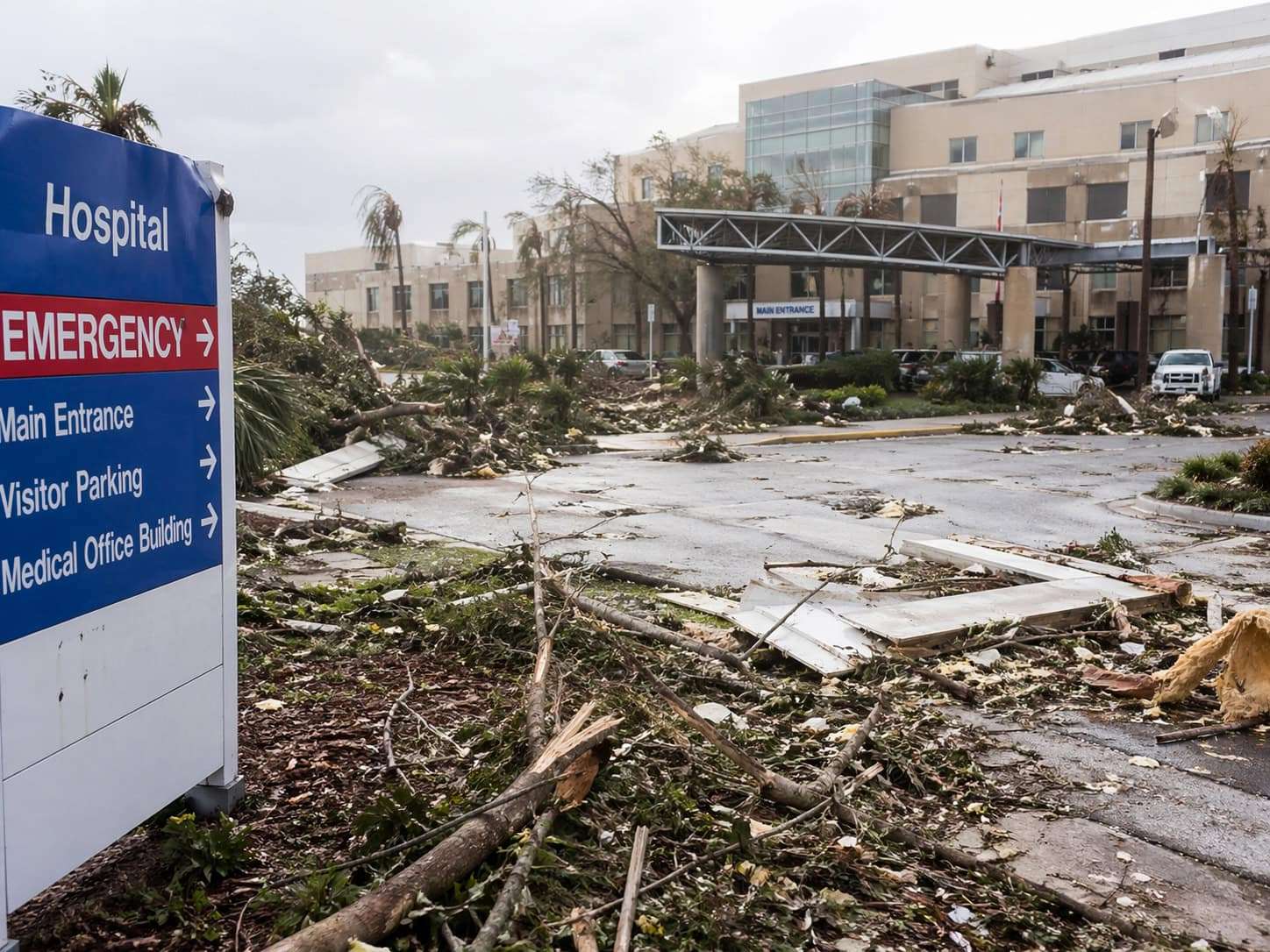
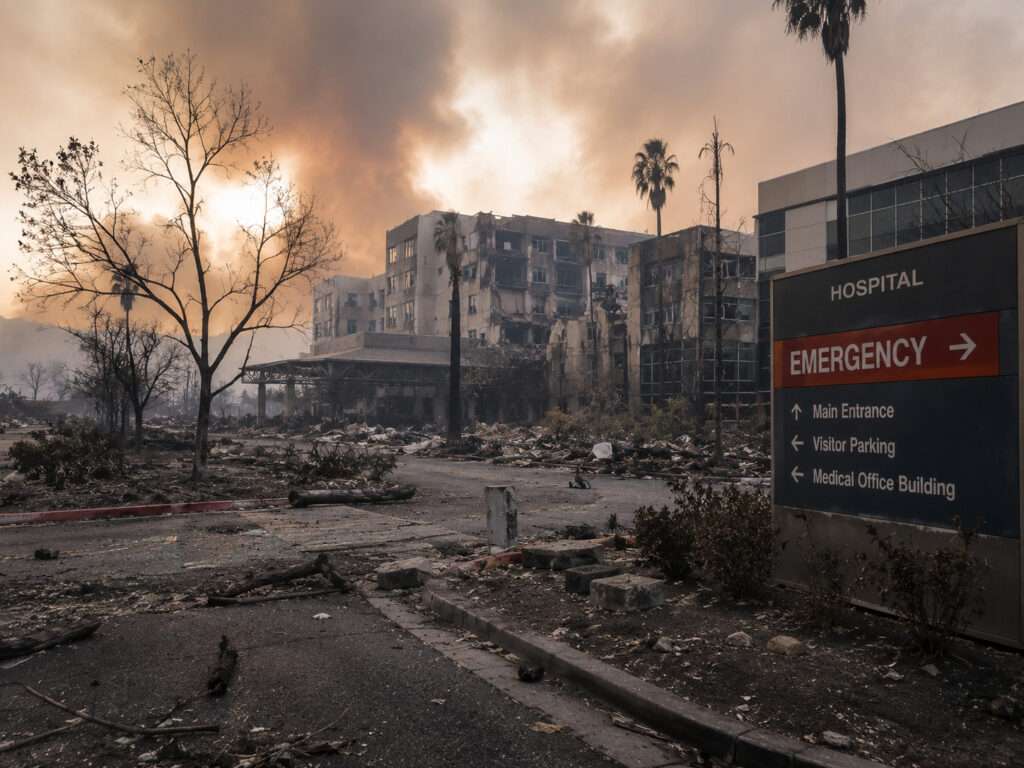
Earthquakes and wildfires are growing risks across the western United States. Preparedness efforts often focus on structural damage and power loss, while one critical vulnerability is frequently overlooked: impact on building water systems.
The greatest risk often begins after the event, when damaged infrastructure, pressure loss, and contamination compromise water quality throughout a facility.
The risk doesn’t end when the event does
Earthquakes can cause sudden system-wide pressure loss and pipe damage, allowing contaminated water and debris to enter distribution systems. Wildfires introduce a different challenge, where extreme heat can damage infrastructure and allow chemical contaminants to infiltrate drinking water.
In both cases, water entering the building can no longer be assumed safe, even after service is restored.
How water systems become compromised
Loss of pressure disrupts the disinfectant barrier that systems rely on to control bacteria. Contaminants can spread throughout the system, while changing conditions disrupt biofilm and increase the likelihood of bacterial growth.
In the wake of wildfires, chemical contamination can persist within plumbing materials, making recovery more complex than traditional flushing and testing.
Where preparedness falls short
Many facilities are not designed for extended water system disruption or chemical contamination. Emergency plans often assume short-term outages and visible risks, not prolonged or less detectable water quality issues.
This gap leaves facilities vulnerable at a time when maintaining safe operations is most critical.
Evaluating your facility’s preparedness
If your facility is located in an earthquake or wildfire-prone region, now is the time to assess your water system risk. Connect with a LiquiTech expert to better understand how your system would respond and where you can strengthen your preparedness before the next event.
Download Emergency Preparedness Guide