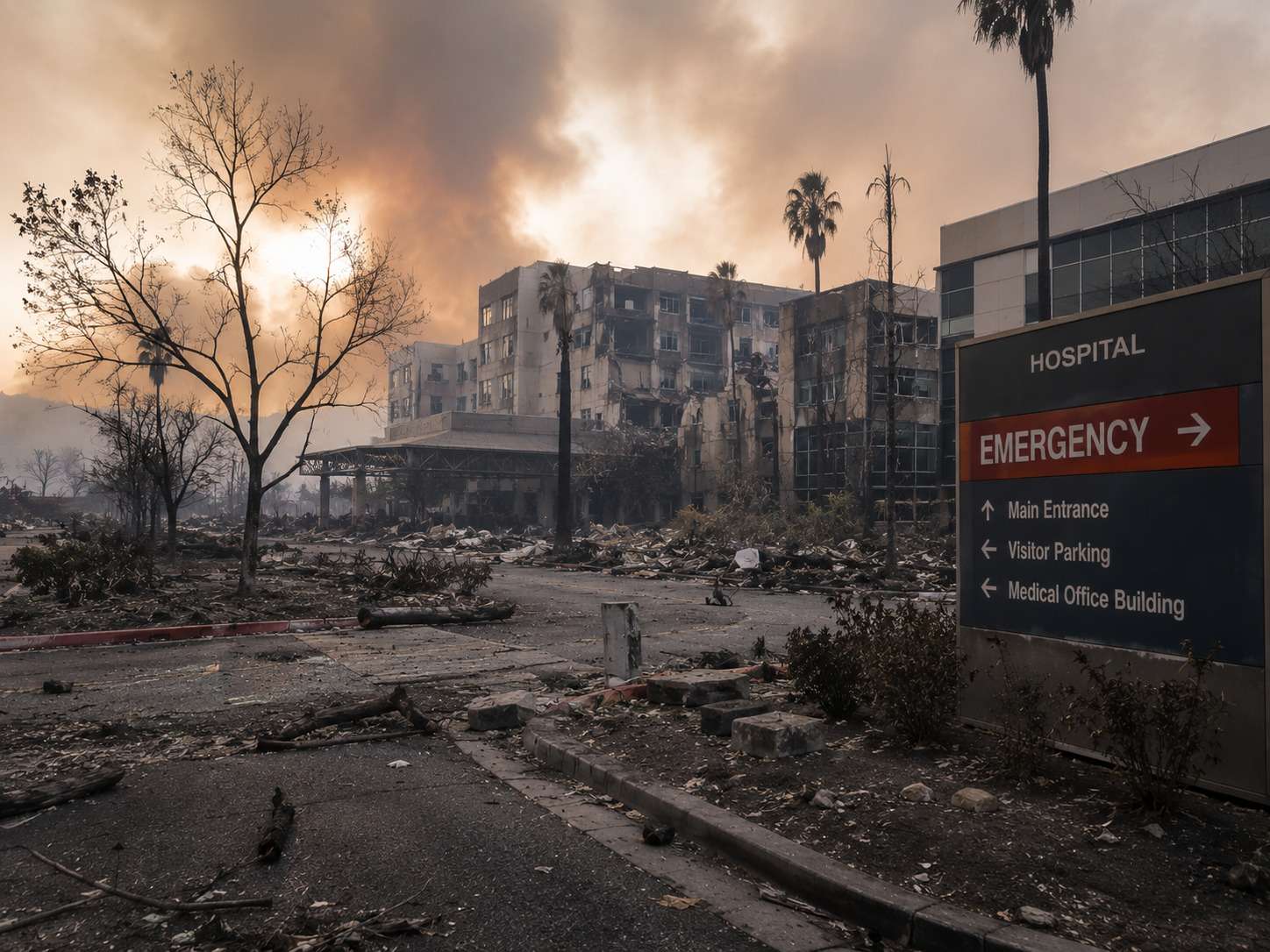
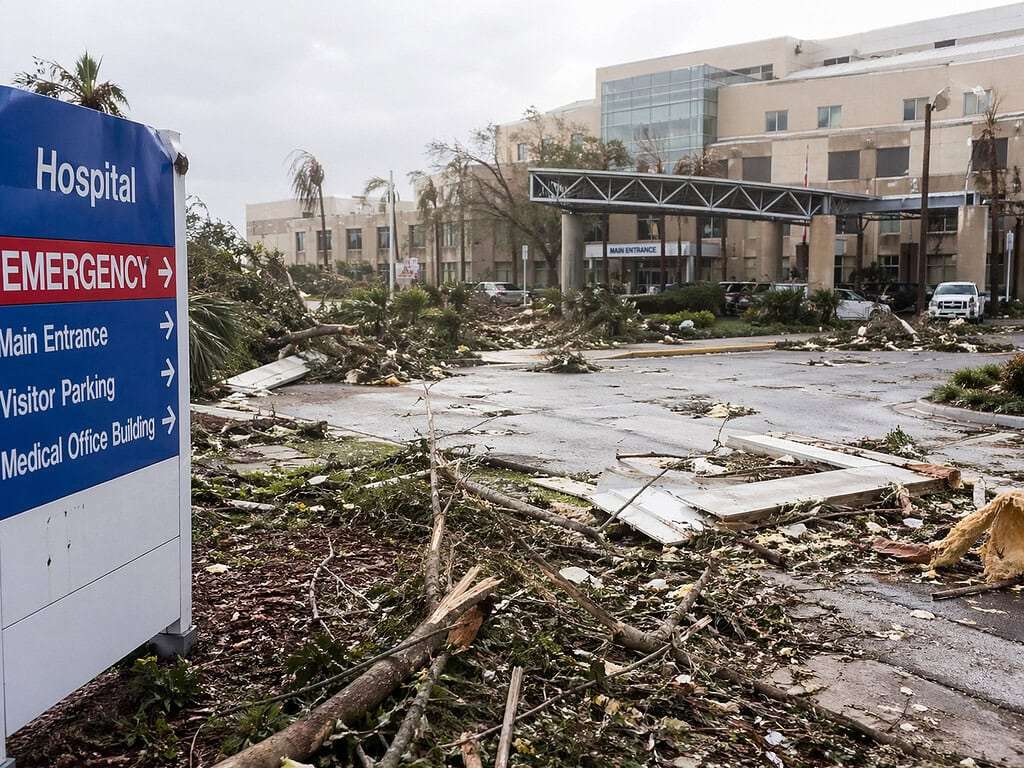
Why hurricane recovery often creates the highest water safety risk – and how to ensure your facility is protected
After hurricanes, water systems in buildings often become unsafe due to pressure loss, sediment intrusion, and biofilm growth. When water service is restored, the influx water can stir up contaminants within building water systems.
Hurricanes and tropical storms are typically treated as short-term infrastructure events. Power is restored. Floodwater has receded. Buildings are reopened
But water systems do not recover on the same timeline.
In hospitals and other large, occupied buildings in states on the Atlantic and Gulf coasts, storm-related disruption can create a chain reaction inside plumbing systems that persist well beyond the event itself.
Understanding this gap between perceived recovery and actual water safety is critical to protecting both people and operations.
Hurricanes are water quality events inside buildings
Hurricanes and tropical storms should not be viewed only as infrastructure challenges. They are water quality events that extend far beyond the storm itself.
Facilities that rely on reactive measures or assume water is safe once service returns are often exposed during the most critical window. Those that invest in proactive strategies are better positioned to protect occupants, maintain compliance, and sustain operations under pressure.
Is your facility ready for the next storm?
Storm-related water risk is not limited to the duration of the event. It continues after the event as well, where the consequences are often less visible but more dangerous.
This guide will help you understand:
- How hurricanes and tropical storms create a cascading safety crisis
- Quantifying storm-driven risks to building water safety
- Where hospitals and other buildings stand today
- How facilities are fortifying their water systems
LiquiTech helps hospitals, healthcare facilities, and other large, occupied buildings implement multi-barrier water management strategies designed to protect patient safety and reduce waterborne infection risk.